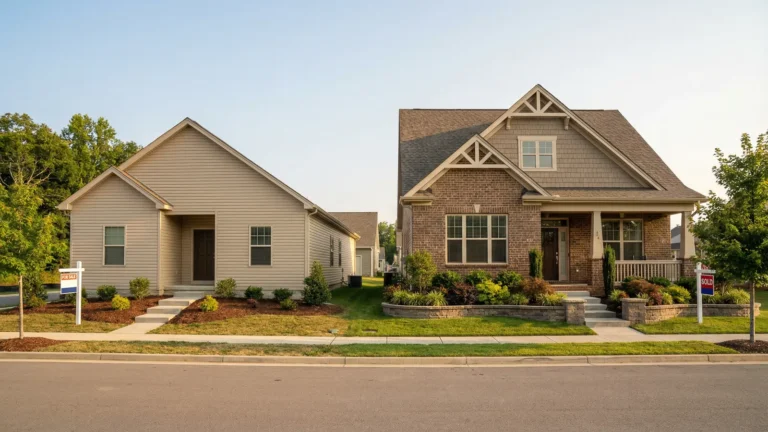
Buyer’s agent for new construction in Atlanta

Buyer’s agent for new construction in Atlanta
Yes. If you’re asking whether you need a buyer’s agent for new construction in Atlanta, the short answer is that walking into a builder’s sales office without your own representation is one of the most expensive decisions you can make in real estate. Velocity Real Estate works with new construction buyers across metro Atlanta every week, and the pattern is consistent: unrepresented buyers leave money, protections, and negotiating power on the table.
The onsite sales agent works for the builder. Their compensation is tied to the builder’s margin. Their job is to sell you a home at the highest price the market will support with the fewest concessions possible. That is not a criticism. That is their job description. The question is whether you want someone at the table whose job description includes protecting your interests.
The builder pays the buyer’s agent commission in most new construction transactions in Georgia. Your representation costs you nothing out of pocket. The builder has already budgeted for it. If you show up without an agent, that commission stays with the builder. It does not reduce your purchase price.
Why builders prefer you show up without an agent
Builders run new construction communities like product launches. Every home sale follows a pricing model designed to protect margins across the entire community, not just your lot. When a buyer walks in without representation, the builder’s sales team has complete control of the transaction from contract to closing. No second set of eyes on the contract. No competing market data on the table. No one pushing back on timelines, specifications, or warranty terms.

I managed builder sales teams at John Wieland Homes and later served as VP of Sales and Marketing at Stonecrest Homes. I know exactly what the onsite sales agent is trained to do, what they’re compensated for, and what they’re contractually unable to tell you. The onsite agent is not your adversary, but their fiduciary obligation runs to the builder. Every piece of information they share, every incentive they offer, every timeline they quote is filtered through the builder’s interests first.
How builder sales agents are compensated in Atlanta
Builder sales agents in metro Atlanta typically earn a base salary plus a commission or bonus structure tied to sales volume, gross margin retention, and contract-to-close conversion rate. Some builders pay a flat bonus per closing. Others tie bonuses to hitting monthly or quarterly unit targets. A few national builders use a tiered system where the commission percentage increases as the agent hits higher volume thresholds.
What does this mean for you as a buyer? The onsite agent is incentivized to close deals at the highest possible price with the fewest concessions. Offering you a $10,000 closing cost credit reduces their bonus pool. Extending your rate lock accommodation period costs the builder money. Agreeing to a third-party inspection adds risk to the closing timeline. Every concession you need works against the metrics the onsite agent is measured on.
What happens to the commission if you don’t bring an agent
Builders allocate a co-op commission (typically 2% to 3% of the purchase price in the Atlanta market) for the buyer’s agent. On a $500,000 new construction home, that is $10,000 to $15,000. If you walk in without an agent, that money does not come off your purchase price. The builder keeps it. Some builders redirect a portion to the onsite agent as a bonus for an unrepresented sale. Either way, you funded someone else’s commission and received no representation in return.
I have seen buyers assume the builder would reduce the price by the co-op amount. In eleven years of working on both sides of new construction transactions, I have never seen a builder voluntarily reduce the base price because the buyer was unrepresented. The base price is set to protect appraisal values for every lot in the community. Lowering it for one buyer creates a comparable sale problem for the next forty.
What a buyer’s agent does in new construction that builders can’t
The Reddit threads on r/RealEstate and r/FirstTimeHomeBuyer generate thousands of comments debating whether a buyer’s agent adds value in new construction. The debate misses the central point. A buyer’s agent in new construction does not just help you find a home (the builder’s model home does that). A buyer’s agent protects you during the 90 to 180 days between contract signing and closing, when the builder controls the timeline, the construction quality, the specification changes, and the financing pressure.
Here is what that protection looks like in practice across Atlanta’s new construction market.
Builder contract review and negotiation
Builder contracts in Georgia are not standard Georgia Association of Realtors purchase agreements. They are builder-drafted documents, often 30 to 50 pages, written by the builder’s attorneys to protect the builder’s interests. These contracts contain clauses that most first-time new construction buyers have never encountered.
The escalation clause allows the builder to increase the price of materials and pass the cost to the buyer before closing. The extension clause gives the builder the right to push your closing date back by 30, 60, or even 90 days with written notice. The specification substitution clause allows the builder to swap materials (countertops, flooring, fixtures) for “comparable” alternatives without your approval. The financing contingency in builder contracts is often structured to expire weeks before closing, trapping buyers who need to switch lenders.
A buyer’s agent flags these clauses on page one. We negotiate modifications before you sign. On a recent Toll Brothers contract in Johns Creek, I negotiated an escalation cap, a rate lock reimbursement clause if the builder delayed past the original closing date, and a specification lock that prevented material substitutions without written buyer consent. The onsite agent could not have offered any of those modifications. They did not have the authority.
Inspection coordination and timeline management
Most builders in Atlanta allow a pre-drywall inspection and a final walkthrough inspection. Some push back on pre-drywall inspections, and unrepresented buyers often do not know they can insist on one. A pre-drywall inspection catches framing issues, plumbing rough-in errors, HVAC duct routing problems, and electrical placement mistakes before the walls close up. After drywall, those issues become $5,000 to $15,000 fixes instead of $200 corrections.
I coordinate third-party inspectors who specialize in new construction. Not all home inspectors understand new construction. You need an inspector who knows what a Georgia building code rough-in looks like, who can read a structural plan, and who will flag a joist hanger that’s missing two nails. The builder’s quality control team does their own inspections, but their checklist protects the builder’s warranty exposure. Your inspector’s checklist protects your investment.
Timeline management is the piece most buyers underestimate. New construction in metro Atlanta right now runs 5 to 8 months from contract to closing for a production home. During that window, your rate lock will expire at least once. Your lease may end before the home is ready. The builder will send you weekly updates that are optimistic by design. I track the actual construction progress against the contractual delivery date and coordinate with your lender on rate lock extensions, float-down options, and relock timing so you are not scrambling when the builder pushes the closing back three weeks (which happens on roughly 40% of new construction transactions in our market right now).
The real cost of going unrepresented with an Atlanta builder
The cost is not theoretical. Unrepresented buyers in metro Atlanta’s new construction market consistently pay more and receive less favorable terms than represented buyers. The gap shows up in three places: the incentive package, the contract protections, and the post-closing warranty enforcement.
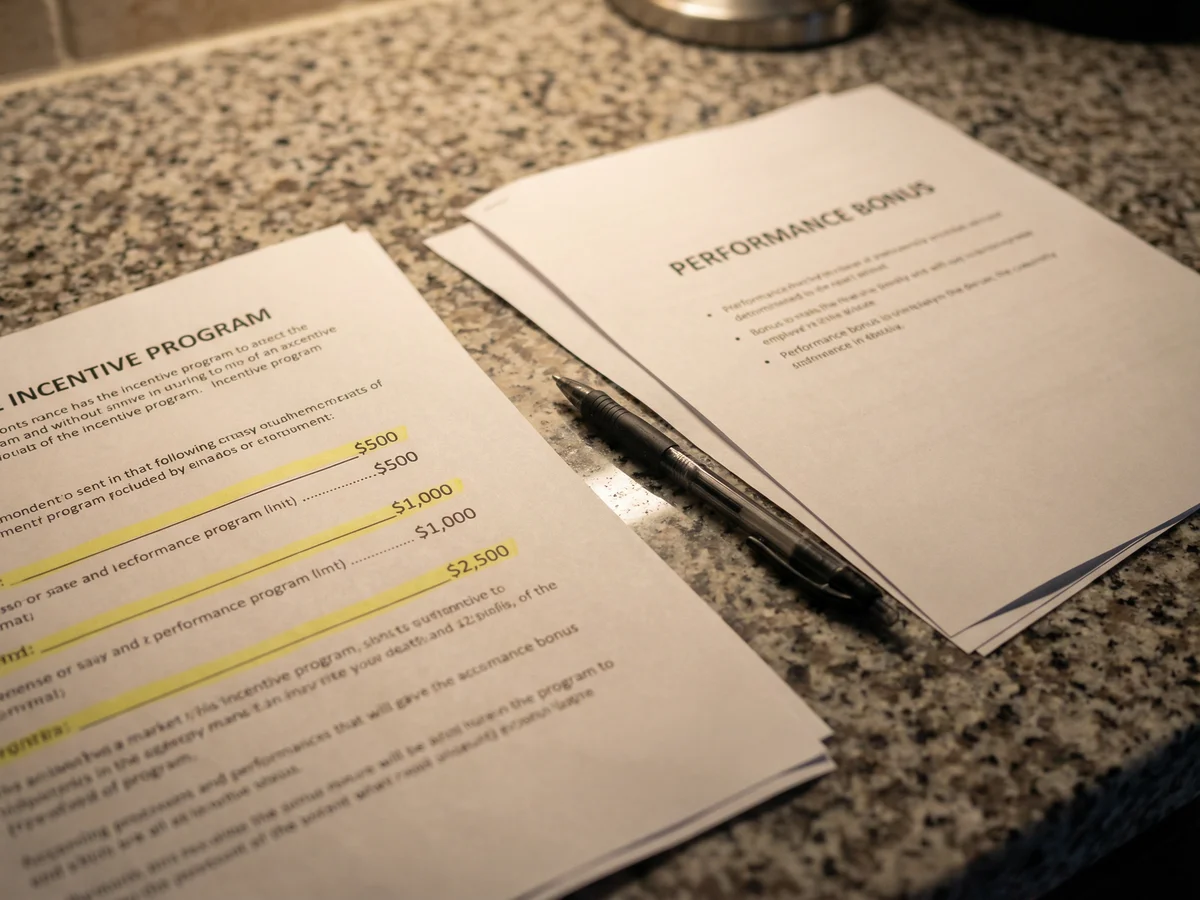
Builders offer incentive packages to move inventory, hit quarterly targets, or respond to market shifts. These packages are not posted on a menu board. They are negotiated. An unrepresented buyer receives the standard published incentive. A represented buyer, working with an agent who tracks incentive trends across competing communities, negotiates from a position of market knowledge.
Incentive packages Velocity has negotiated for clients
In Q4 2025, I negotiated incentive packages for new construction buyers in Forsyth, Fulton, and Cherokee counties that averaged $18,400 in combined value. That included closing cost credits, rate buydown contributions, and design center upgrades. The standard published incentive across those same communities averaged $8,000.
The difference was $10,400 per transaction. On a $475,000 home, that is 2.2% of the purchase price that the unrepresented buyer left with the builder.
One buyer in a Meritage community in Canton was offered the standard $7,500 closing cost credit. I pulled the absorption data for that community and two competing communities within a three-mile radius. The builder had 14 unsold spec homes and a quarterly target they were tracking behind on. We negotiated $12,000 in closing costs plus a $6,000 design center credit plus a rate buydown that saved $127 per month for the first two years. The onsite agent told my client afterward that no unrepresented buyer had received that package.
When you should register with the builder’s agent (and when you shouldn’t)
Most builders in Atlanta require buyer’s agents to register their clients on the first visit. If you walk into a sales office without your agent and sign the visitor log, some builders will argue that the onsite agent is your “procuring cause” and refuse to pay a co-op commission later. This registration policy varies by builder, but the safest approach is simple: contact your buyer’s agent before your first visit to any model home or sales office.

If you have already visited a community without an agent, you may still be able to bring one in. Some builders allow agent registration within 24 to 48 hours of the first visit. Others have a harder cutoff. Call the sales office and ask about their registration policy before your second visit. If the builder refuses to recognize your agent after an unregistered first visit, your agent can sometimes negotiate directly with the builder’s regional sales manager to resolve the issue.
Do not sign anything at the sales office without your agent present. The visitor registration card is fine. A purchase agreement, a lot reservation, a design center selection sheet, or a financing application is not. Those documents create contractual obligations, and once signed, your negotiating leverage decreases significantly.
How to choose a new construction buyer’s agent in Atlanta
Not every buyer’s agent understands new construction. Resale transactions and new construction transactions are different processes with different contracts, different timelines, different inspection requirements, and different negotiation dynamics. When interviewing agents, ask these questions:
How many new construction transactions have you closed in the past 12 months? An agent who closed two new construction deals last year will not have the builder relationships or contract expertise you need. Look for an agent who works in new construction consistently, not occasionally.
Which builders and communities do you have active relationships with? An agent who knows the onsite sales managers, the regional managers, and the design center coordinators can move faster and negotiate more effectively than an agent making cold introductions.
Have you ever worked on the builder side? This is where Velocity’s approach differs from most brokerages. I spent years managing builder sales teams. I built the pricing models. I trained the onsite agents. I set the incentive packages. That operational knowledge from the builder side informs every new construction negotiation I handle for buyers today. When I read a builder contract, I know which clauses are negotiable because I helped draft similar contracts from the other side of the table.
Can you show me your market data on incentive trends for this community and its competitors? An agent who tracks incentive packages across communities in the same submarket can tell you whether the builder’s current offer is generous, average, or below market. That data is the foundation of every negotiation.
—
Download: New construction buyer representation checklist (2 pages)
Before you visit your first model home, download the Velocity Real Estate New Construction Buyer Representation Checklist. It covers the 14 items to confirm with your agent before contract signing, the inspection timeline, the rate lock coordination steps, and the builder registration process. Two pages, printable, built from the same checklist we use with every new construction client.
[Download the checklist] Name and email required. Delivered to your inbox in under 60 seconds.
—
Next steps
If you are buying new construction in metro Atlanta, start with our complete guide to buying new construction in Atlanta, which covers the full process from builder selection through closing day. For specifics on new construction buyer agent representation, that article breaks down the post-NAR settlement changes and what they mean for your transaction in Georgia.
Already have a builder in mind? Read how to negotiate with a builder in Atlanta for the specific tactics that work in this market right now. And if a builder is pushing you to use their preferred lender, builder’s lender vs. your own lender in Atlanta walks through the math on those incentive packages.
Schedule a new construction consultation with Velocity Real Estate at 678-957-1043 or through our online booking calendar. Bring your community shortlist. We will bring the market data.
—
Itanza Johnson is the Managing Broker at Velocity Real Estate in Roswell, Georgia. She holds a Georgia real estate broker license and an industrial engineering degree from Georgia Tech. Before founding Velocity, she served as Division Sales Manager at John Wieland Homes and VP of Sales and Marketing at Stonecrest Homes, where she managed new construction sales operations across metro Atlanta. Velocity Real Estate has closed $600M+ in cumulative sales volume.
Thinking about buying or selling in metro Atlanta?
Velocity Real Estate has closed more than $600M in new construction and resale across 19 metro Atlanta neighborhoods. Start with a conversation, not a commitment.
Book a consultationCall 678-278-9798