New construction in Dacula, GA: Gwinnett County

New construction in Dacula, GA: Gwinnett County
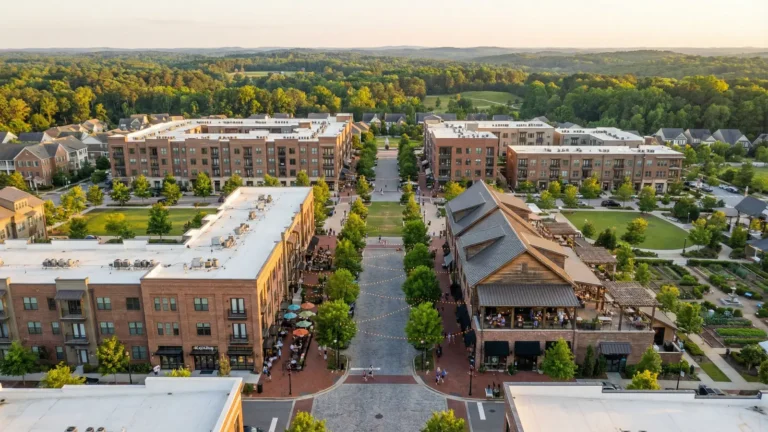
New construction in Dacula, GA absorbed faster in 2025 than any other Gwinnett County submarket outside of Buford. Builders released 380 lots across eight communities, and 91% of them were under contract before year-end. That pace happened without the social media buzz that Alpharetta and Johns Creek generate, without a walkable downtown district to photograph, and without median prices cracking $500,000.
Dacula is doing what it has done for a decade: delivering solid new construction product in strong school zones at prices that Fulton County buyers can only get by driving 45 minutes farther north. The difference now is that the builder roster has upgraded, the community amenities have caught up to north Atlanta standards, and the I-85 corridor improvements have shaved real minutes off the commute.
For buyers comparing Dacula to other growth corridors across the metro, our north Atlanta suburbs comparison guide provides the full side-by-side analysis.
Active builders and what they are building
DR Horton operates two communities in the Dacula area with base prices starting at $345,000. Their Express series (the entry-level product line) delivers 1,800 to 2,200 square foot homes with granite counters, LVP flooring, and covered rear patios as standard inclusions. The Freedom series steps up to 2,400 to 3,000 square feet with upgraded cabinetry and expanded owner’s suites, pricing between $410,000 and $480,000.
I toured the DR Horton models off Fence Road last August. The finish quality on the Freedom series impressed me more than I expected. The cabinet hardware, the crown molding in the main living areas, and the tile work in the primary bathroom would cost $8,000 to $12,000 as upgrades with some competing builders. DR Horton includes them at base price because their volume purchasing power allows it. That distinction matters when you are comparing apples to apples across builders.
Lennar has positioned two communities near the Hamilton Mill corridor targeting the $400,000 to $550,000 range. Lennar’s “Everything’s Included” model bundles upgrades that other builders charge $25,000 to $40,000 for (smart home technology, quartz countertops, stainless appliances, upgraded flooring throughout). Their homes run 2,200 to 3,200 square feet on lots averaging a quarter acre. The Lennar product competes directly with new construction in south Forsyth County, but at price points $60,000 to $90,000 lower.
Century Communities entered Dacula in 2024 and is building in the $360,000 to $450,000 range. Their plans emphasize open floor concepts and flexible spaces (a main-level room that can function as a home office, guest bedroom, or playroom depending on the buyer’s stage of life). Century’s absorption rate in Dacula exceeded their corporate projections by 30% in the first year, which tells you something about demand at that price point.
Smaller regional builders including Piedmont Residential and Chafin Communities fill the gaps between the nationals. Chafin in particular offers semi-custom options (structural changes like adding a bedroom, extending the garage, or modifying the kitchen layout) at prices between $420,000 and $520,000. For buyers who want some customization without the 12-month timeline of a full custom build, Chafin’s model works well.
The Hamilton Mill area and why it matters
Hamilton Mill is the anchor that gives Dacula new construction its context.
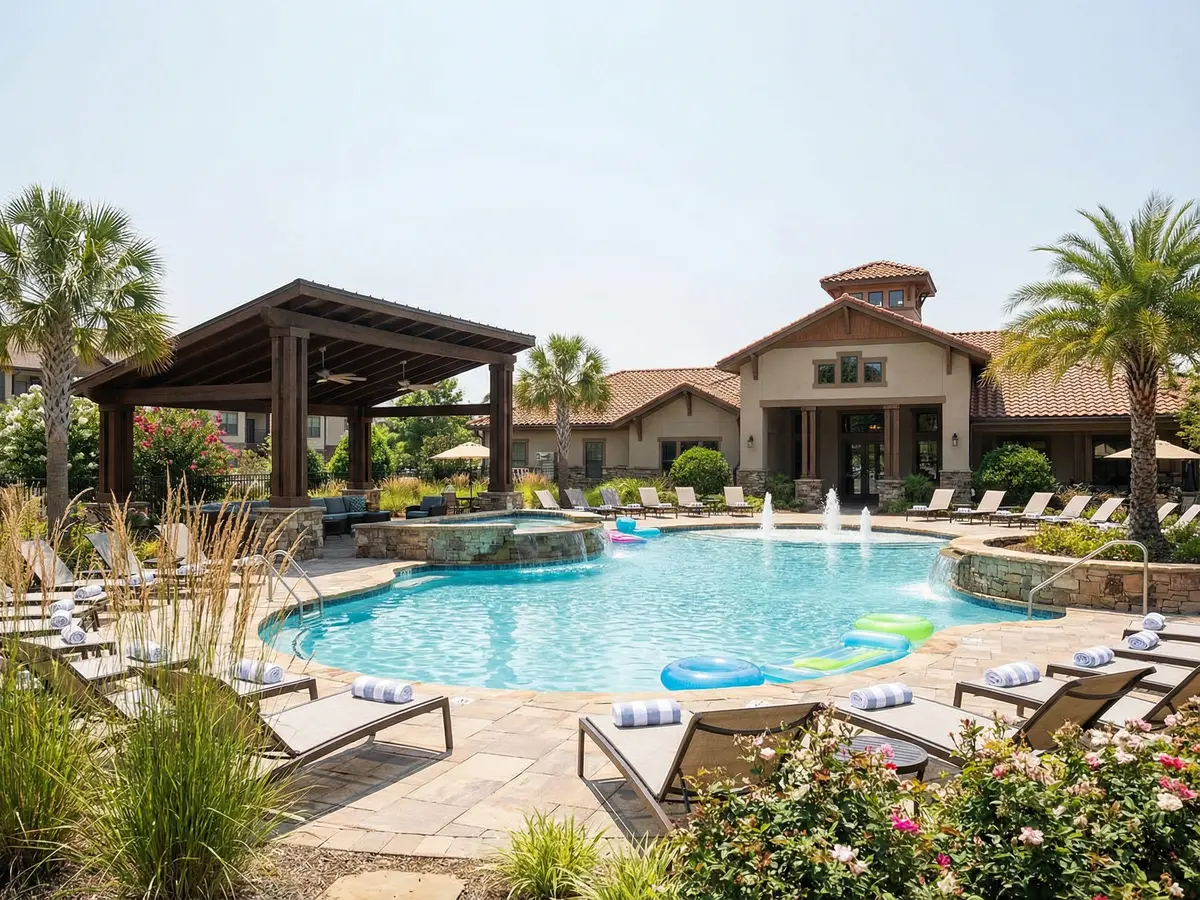
The Hamilton Mill master-planned community (developed in the early 2000s) established the area’s reputation for family-oriented living with resort-style amenities. The community’s pool complex, tennis center, fitness facility, and 18-hole golf course set a standard that newer communities nearby have had to match or exceed to compete for buyers.
The commercial corridor along Hamilton Mill Road now includes a Kroger Marketplace, Target, multiple dining options, urgent care facilities, and professional services that eliminate the need to drive to Lawrenceville or Suwanee for daily errands. Five years ago, that corridor had meaningful gaps. Today, it functions as a self-contained suburban services hub.
New construction communities in the Hamilton Mill area benefit from this infrastructure without the HOA fees of the original Hamilton Mill development (which run $1,800 to $2,400 annually for full amenity access). Newer communities set their own fee structures, typically $800 to $1,400 per year, while residents still access the surrounding commercial amenities.
I had a buyer relocating from California last spring who had been looking in Johns Creek. Her budget was $475,000. In Johns Creek, that bought a 1,900 square foot home with a small yard and a $2,100 annual HOA fee. I showed her a Lennar home in the Hamilton Mill area: 2,800 square feet, quarter-acre lot, $462,000, with a $950 annual HOA that included a community pool and playground. She closed in June and still mentions the square footage difference every time we talk.
Gwinnett County schools in the Dacula cluster
Gwinnett County Public Schools is the largest school district in Georgia and one of the largest in the nation. Size creates inconsistency across the district, which is why school evaluation in Gwinnett requires cluster-level analysis rather than district-level generalizations.
The Dacula cluster feeds into Dacula High School, which maintains a graduation rate above 90% and offers Advanced Placement coursework across 18 subjects. The school’s Career and Technical Education programs in healthcare, engineering, and information technology connect directly to Gwinnett Technical College pathways, giving students options beyond the traditional four-year university track.
Dacula Middle School and Dacula Elementary anchor the K-8 pipeline. Both schools received positive marks in Gwinnett’s internal performance reviews, and Dacula Elementary’s reading proficiency scores have climbed for four consecutive years.
The Archer High School cluster (which serves parts of the Dacula ZIP code depending on subdivision) also performs well, with particular strength in its International Baccalaureate diploma program.
For families with younger children, the trajectory matters as much as the current snapshot. Gwinnett County has invested over $800 million in school construction and renovation over the past five years, and the Dacula area has received two new elementary schools and a middle school expansion since 2022. That investment pattern signals the district’s expectation of continued residential growth and a commitment to capacity planning.
The price comparison: Dacula versus Fulton County
Here is where the numbers make the argument that marketing cannot.
A 2,500 square foot new construction home in Dacula prices between $400,000 and $475,000 depending on the builder and lot position. The same square footage in Alpharetta starts at $520,000 and reaches $620,000 in desirable subdivisions. In Johns Creek, that spec starts at $580,000.
Per square foot, Dacula new construction averages $165 to $185. Alpharetta runs $210 to $240. Johns Creek sits at $225 to $260.
Property taxes in Gwinnett County run slightly lower than Fulton County for equivalent assessed values. A $450,000 home in Dacula generates an annual property tax bill of approximately $4,200. The same assessed value in Alpharetta produces roughly $4,600 to $4,900. The difference is modest on a monthly basis (about $40 to $60), but it compounds over a long hold.
The total cost of ownership comparison over five years (mortgage payment, taxes, insurance, HOA, and estimated maintenance on new construction) puts Dacula roughly $78,000 to $105,000 below equivalent Fulton County options. That gap is large enough to fund a college savings plan, a vehicle upgrade, or the kind of lifestyle flexibility that stretching to a higher price point eliminates.
Our article on the fastest-growing suburbs in Atlanta maps Dacula’s growth alongside other emerging markets worth watching. And for the full process of evaluating new construction across metro Atlanta, our new construction buying guide walks through every step from builder selection to closing day.
The I-85 commute: honest numbers
Dacula’s position along the I-85 corridor northeast of Atlanta puts it 35 to 50 minutes from downtown during morning rush. That range is wide because I-85 traffic between Lawrenceville and the I-285 interchange varies significantly based on the day of the week and the time of departure.
Leaving Dacula at 6:45 a.m., you can reach the I-285/I-85 interchange (Spaghetti Junction) in about 22 minutes. Leaving at 7:30 a.m., that same stretch takes 35 to 40 minutes. The 45-minute variable is real, and I tell every buyer considering Dacula to drive the commute during the exact window they would use daily. Twice.
For buyers commuting to the Gwinnett Place or Sugarloaf area (which includes several corporate campuses and medical centers), Dacula sits 15 to 20 minutes south on I-85 or surface roads. That commute is the Dacula sweet spot and explains why so many buyers in the healthcare and technology sectors land here.
Remote workers (now roughly 35% of new construction buyers in Gwinnett County based on my conversations with onsite sales teams) care about the commute far less and care about square footage, lot size, and monthly payment far more. Dacula wins on all three compared to communities closer to the city.
What type of buyer Dacula serves best
Dacula’s new construction market fits three buyer profiles cleanly.
First, young families buying their first home in the $350,000 to $425,000 range. DR Horton’s Express series and Century Communities’ entry-level plans give these buyers new construction with warranties, modern floor plans, and energy-efficient systems at monthly payments that compete with renting a comparable home in the same area.
Second, move-up families in the $425,000 to $550,000 range who have outgrown their starter home and need more space without resetting their financial stability. Lennar and Chafin’s upper-tier product delivers 2,800 to 3,400 square feet with the kind of finishes (hardwood, quartz, custom tile) that feel like a significant upgrade from builder-grade starter homes.
Third, relocation buyers from higher-cost markets (California, the Northeast, Chicago) who arrive with equity or cash from a previous sale and want to maximize purchasing power. A buyer selling a 1,500 square foot condo in San Jose for $800,000 can pay cash for a 3,000 square foot new construction home in Dacula and have $250,000 left for investment. That math converts a lot of skeptics.
Download the Dacula new construction community map
The Velocity Real Estate Dacula New Construction Community Map plots every active builder community in the Dacula area with current pricing ranges, lot availability, school zone assignments, and proximity to I-85 access points. The map includes a quick-reference table comparing included features across DR Horton, Lennar, Century Communities, and Chafin Communities.
The map is 3 pages and updated when new communities launch or pricing changes.
Enter your name and email to download. You will also receive alerts when new builders break ground in the Dacula corridor.
Where Dacula is heading
Gwinnett County’s transit master plan includes expanded bus service along the I-85 corridor with a Dacula park-and-ride facility on the project timeline. If that facility materializes (funding is allocated through 2028), the commute equation changes for Dacula in a way that compressed pricing gaps in other transit-adjacent communities by 10 to 15% within three years of station openings.
Separately, the commercial corridor along Winder Highway is adding a new medical center and a mixed-use retail development permitted for 2026 groundbreaking. These additions reduce the “but there’s nothing out there” objection that Dacula has carried (unfairly, given the Hamilton Mill corridor) for years.
Builders are not waiting for buyers to discover Dacula. They are already there, releasing lots, and selling through phases ahead of schedule. The buyers who benefit most from that dynamic are the ones who arrive while the builders are still pricing for growth rather than scarcity.
Visit our Dacula neighborhood page for the full community profile including parks, recreation, dining, and daily life details.
—
Written by Itanza Johnson, Managing Broker at Velocity Real Estate. Georgia Tech industrial engineering graduate. Former Division Sales Manager at John Wieland Homes and VP of Sales and Marketing at Stonecrest Homes. $600M+ in cumulative residential sales across metro Atlanta.
Thinking about buying or selling in metro Atlanta?
Velocity Real Estate has closed more than $600M in new construction and resale across 19 metro Atlanta neighborhoods. Start with a conversation, not a commitment.
Book a consultationCall 678-278-9798