Atlanta new home builders: the complete guide

Atlanta new home builders: the complete guide
The buyer had narrowed her search to two communities in Forsyth County. Both offered four-bedroom floor plans in the low $500Ks. Both backed to tree buffers. Both sat in the same school zone. On paper, they were interchangeable.
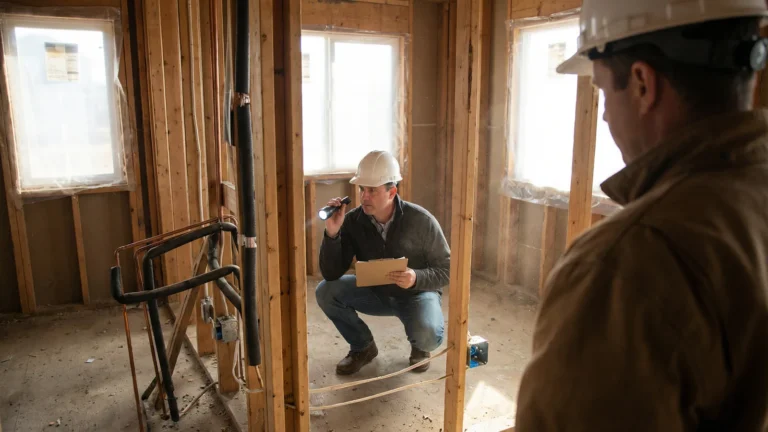
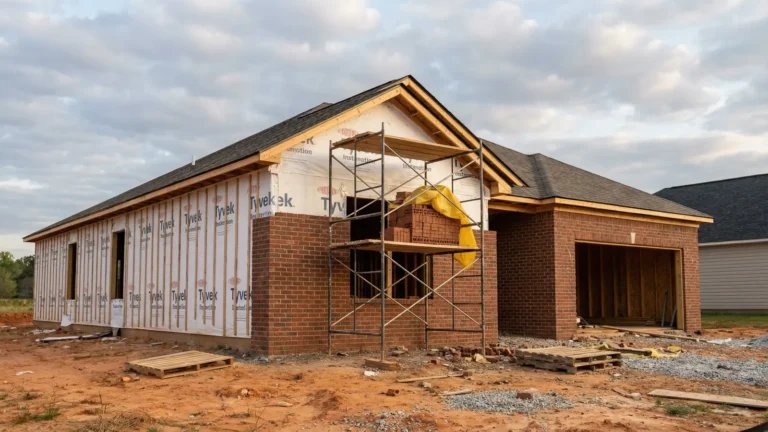
Then we walked the construction sites.
In the first community, the framing crew had left gaps between the floor joists and the rim board. Insulation batts were stuffed into wall cavities but not cut to fit, leaving exposed headers. The HVAC flex duct ran in S-curves through the attic instead of straight lines. These are not structural failures. They are quality indicators. They tell you how much supervision the builder provides during the construction phase and what the punch list will look like at closing.
In the second community, the framing was tight, the insulation was cut and fitted, and the ductwork ran in clean lines with proper support hangers. The homes were priced $18,000 higher. The buyer signed a contract that afternoon.
This Atlanta home builders guide covers how to evaluate builders in metro Atlanta across every price range, from entry-level production homes to custom builds above $1M. The goal is to give you a framework for comparing builders that goes beyond the model home tour, because the model home is the builder’s best version of themselves. The homes they deliver to actual buyers are what matters.
If you are new to buying new construction in Atlanta, read that guide first for the full process overview. This guide focuses specifically on the builder selection decision.
The Atlanta builder market
Metro Atlanta has one of the largest and most competitive new home builder markets in the country. In 2025, approximately 340 active new construction communities were selling across the 29-county metro area. Those communities represent builders ranging from publicly traded national corporations with $20B+ in annual revenue to one-person custom builders who complete three homes a year.
The builder market breaks into three tiers, and understanding which tier matches your budget, expectations, and risk tolerance is the first decision in the selection process.
National production builders in Atlanta
National production builders include DR Horton, Lennar, Pulte, Meritage Homes, NVR (Ryan Homes), and Taylor Morrison. These companies operate in dozens of markets across the country, build thousands of homes annually, and trade on public stock exchanges.
What to expect from national production builders: Standardized floor plans (typically 8 to 15 per community), structured design center processes with pre-selected option packages, economies of scale that produce lower per-square-foot costs, established warranty departments, and a purchase experience that follows a corporate playbook.
The advantage of national production builders is predictability. You know what the floor plans look like. You know how the design center works. You know the warranty terms because they are published, standardized, and backed by a company with a balance sheet large enough to honor them.
The limitation is customization. National production builders optimize for volume and efficiency. Adding a window to a standard elevation, changing a roofline, or moving a wall requires an engineering review that most production builders will not perform for a single lot. You choose from the menu. You do not create the menu.
In metro Atlanta, national production builders dominate the $350K to $650K price range. Their communities concentrate in Cherokee County (Woodstock, Canton, Holly Springs), Forsyth County (Cumming), eastern Gwinnett County (Dacula, Lawrenceville), and south Fulton County (Fairburn, Union City, Fayetteville).
Regional and semi-custom builders in Atlanta
Regional builders operate in one to three markets. In Atlanta, the notable regional builders include Ashton Woods, David Weekley Homes, Peachtree Residential, Brock Built, Jeff Lindsey Homes, and Rockhaven Homes. These companies build 100 to 800 homes per year in the metro area.
What to expect from regional builders: More floor plan flexibility, smaller communities (often 40 to 120 lots), more responsive customer service (the division president may attend your pre-closing walkthrough), and a design center experience that allows more structural modifications than production builders.
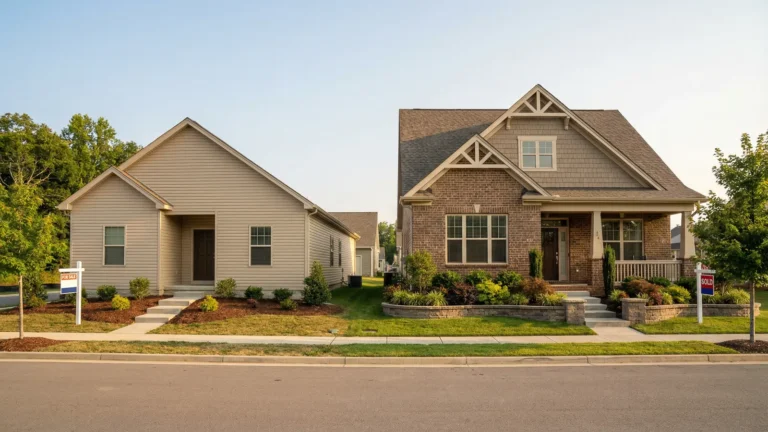
Regional builders in Atlanta typically price between $500K and $900K, occupying the space between national production builders and custom builders. Ashton Woods and David Weekley have pushed into the luxury tier with some communities, offering semi-custom options above $800K.
I spent years working with regional builders at Stonecrest Homes, managing the sales and marketing operation for communities where the product sat between production and custom. The operational challenge at this tier is quality consistency across communities. A regional builder with a strong superintendent in one community and a weak superintendent in another will deliver noticeably different homes from the same floor plan. This is why walking the construction site matters more with regional builders than with national builders, where corporate quality control systems are more standardized.
Custom builders in Atlanta
Custom builders design and build homes to the buyer’s specifications on the buyer’s lot or on builder-owned lots. In metro Atlanta, the custom builder market concentrates in Milton, north Alpharetta, west Forsyth County, and East Cobb.
What to expect from custom builders: Full architectural control (you design the floor plan with an architect), extended build timelines (10 to 18 months is typical), higher per-square-foot costs ($250 to $400+), and a relationship-driven process where communication frequency determines satisfaction.
Custom builders in Atlanta range from established firms with a portfolio of 20+ completed homes (John Willis Custom Homes, Thrive Home Builders, Hooten Custom Homes) to individual builders who complete two to four homes per year. The range in professionalism, financial stability, and construction quality is wider in the custom tier than in any other.
Custom builds in metro Atlanta start at approximately $700K and commonly exceed $1.5M. Lot cost is separate.
How to compare builders for your price range and goals
The model home tour is where most buyers start evaluating builders. It is also where most buyers make their first mistake: confusing the quality of the model home presentation with the quality of the homes the builder actually delivers. The model home is a showroom. It has $100,000 to $200,000 in upgrades that are not included in the base price. The finishes, furniture staging, and landscape package are designed to sell. They are not representative of what a base-price home looks like.

Quality tiers and price range alignment
Builder quality in metro Atlanta roughly correlates with price, but the relationship is not linear. A $600K home from Builder A may have better construction quality than an $800K home from Builder B if Builder A invests more in framing supervision, insulation detailing, and mechanical system installation.
The variables that separate quality tiers:
Structural framing: How tight are the joints? Are headers properly supported? Is the sheathing nailed on the manufacturer’s recommended pattern? These details are invisible behind drywall after closing. A pre-drywall inspection (which costs $350 to $500 and takes two hours) captures them.
Insulation installation: Batt insulation must be cut to fit each cavity. Gaps and compression reduce R-value. Spray foam insulation eliminates this variable but costs the builder $3,000 to $8,000 more per home. Builders who use spray foam at the $500K price point are signaling a commitment to building performance.
Mechanical systems: HVAC ductwork, plumbing, and electrical routing should follow clean lines with proper support and sealing. Flex duct in S-curves, kinked plumbing runs, and unsupported electrical cables are signs of rushed installation or inadequate supervision.
Interior finishes: Cabinet construction (plywood boxes vs. particleboard), countertop edge profiles, trim package (3.5-inch baseboards vs. 5.25-inch), and hardware quality are all visible differentiators. These are the things buyers notice on the model home tour. They matter, but they are less important than the structural and mechanical items you cannot see.
Builder warranty comparison
Georgia law requires builders to provide a one-year warranty on workmanship and materials. Beyond that legal minimum, builders offer warranty programs that vary significantly.
Standard warranty structure in Atlanta:
Year 1: Full coverage on workmanship, materials, and systems (HVAC, plumbing, electrical). Most warranty claims occur in year one, as the home settles and systems run through their first full heating and cooling cycle.
Year 2: Coverage typically narrows to systems (HVAC, plumbing, electrical) and structural elements. Cosmetic items (drywall cracks from settling, minor grout issues) are excluded after year one in most builder contracts.
Years 3 through 10: Structural warranty only. This covers the foundation, load-bearing walls, and roof structure. Most national and regional builders provide a 10-year structural warranty, often through a third-party warranty company (2-10 Home Buyers Warranty, StrucSure).
The warranty comparison point that buyers miss: response time. A builder with a 48-hour warranty response commitment and a dedicated warranty manager on staff will handle your year-one issues differently than a builder who routes warranty claims through a call center. Ask for the warranty manager’s direct contact information during the contract phase. If the builder will not provide it, that is data.
How to vet a builder before signing a contract in Georgia
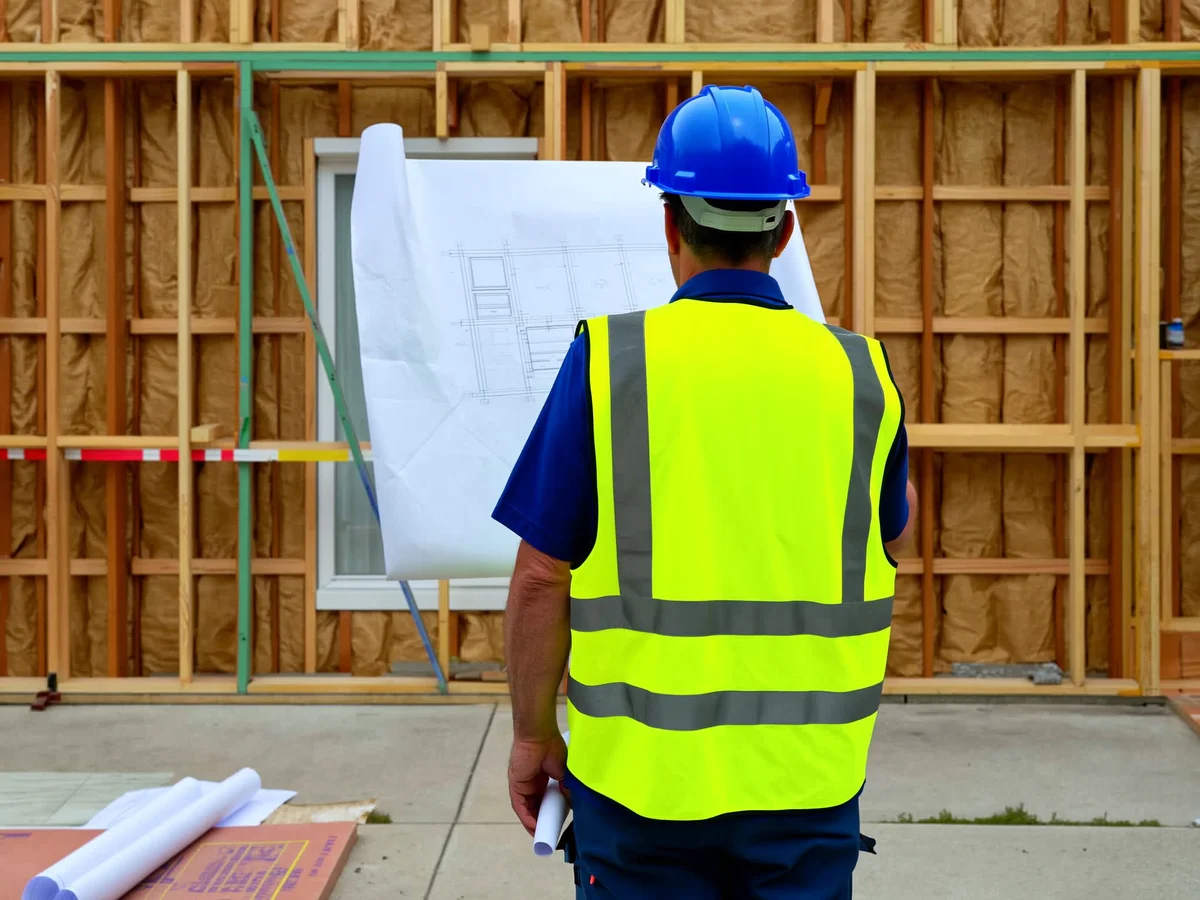
Vetting a builder goes beyond reading Google reviews (though you should read those, too, with an understanding that review manipulation exists in the industry). Here is the vetting framework I use for every builder a client considers.
BBB complaints and online review analysis
Check the Better Business Bureau for complaint history. A builder with 50 complaints and 5,000 annual closings has a complaint rate of 1%. A builder with 12 complaints and 200 annual closings has a complaint rate of 6%. The absolute number is meaningless without the context of volume.
Read the complaints themselves. Complaints about communication delays and punch-list timing are different from complaints about structural defects and warranty refusal. The former indicate process issues. The latter indicate quality issues.
Google Reviews, Yelp, and the builder’s Facebook page provide additional signal. Look for patterns, not individual reviews. Three separate buyers mentioning the same issue (delayed closings, unresponsive warranty service, surprise charges at the design center) represent a systemic problem.
Builder financial stability indicators
Publicly traded builders publish quarterly earnings, which include gross margins, backlog, and cancellation rates. A builder with rising cancellation rates and declining backlog may be under financial pressure, which can affect construction timelines and willingness to address warranty claims.
For private regional builders, financial stability is harder to assess. Ask the builder how many active communities they are operating. Ask how long the company has been building in Atlanta. Ask the onsite sales agent (off the record, during a quieter visit) how the community’s sales pace compares to the builder’s projections. If the community is underperforming, the builder may be offering aggressive incentives now but could face financial pressure later in the project.
One indicator I have learned to watch over 15 years in new construction: trade contractor consistency. When a builder uses the same framing crew, plumbing contractor, and HVAC installer across multiple communities, that continuity produces better quality. When a builder is constantly switching trade contractors (because they are not paying on time or because the previous crew quit), quality variance increases.
Builder incentive picture in Atlanta (2026)
Builder incentives are not generosity. They are pricing tools. A builder offering a $20,000 closing cost credit is not discounting the home. They are maintaining the base price (which protects the appraisal values of earlier buyers in the community) while reducing the buyer’s out-of-pocket cost.
The incentive picture in metro Atlanta as of Q1 2026:
Rate buydowns: The most common incentive. Builders partner with their preferred lender to offer below-market rates, typically structured as a 2-1 buydown (2% below market in year one, 1% below market in year two, market rate in year three) or a permanent buydown of 0.5% to 1.0%. The builder pays the lender to subsidize the rate. The buyer benefits from a lower payment. The catch: you must use the builder’s preferred lender, and some preferred lenders charge higher origination fees or have less competitive products outside the buydown.
Closing cost credits: Range from $5,000 to $30,000 depending on the builder, community phase, and time of year. These credits reduce the buyer’s cash-to-close. At the $500K price point, a $15,000 closing cost credit covers roughly 60% of total closing costs.
Design center credits: Free upgrades or a dollar amount applied to the design center. This incentive is most common in early phases when the builder wants to attract buyers to a new community and needs furnished, upgraded homes to improve the streetscape.
Lot premiums waived: Premium lots (backing to trees, cul-de-sac position, larger footprint) normally carry a $10,000 to $50,000 lot premium. Builders waive these premiums to move specific lots that have been sitting unsold.
I track incentive movements weekly across 40+ active communities in our coverage area. The incentive that is “standard” this month may not exist next month. A builder who offered a $25,000 closing cost credit in November may reduce it to $10,000 in March because absorption improved. Timing your purchase to align with the most favorable incentive window is part of the builder consultation we provide.
What the model home will not tell you
The model home shows you the best-case scenario. Here is what it does not show.

The view from the worst lot in the community. Every community has lots that back to power easements, detention ponds, commercial properties, or future road expansions. The site plan in the sales office shows these features, but the onsite agent is not going to walk you to lot 47 and point out that it backs to a 100-foot-wide Georgia Power easement. Ask for the site plan. Read the plat. Walk every lot you are considering, not just the ones the agent suggests.
The construction timeline for your specific lot. The model home is finished. Yours is not. Ask the builder for their current construction timeline from contract to closing. Then ask the onsite agent (quietly, after the formal presentation) what the actual timeline has been for the last five closings. The published timeline and the delivered timeline are different numbers. Knowing the gap lets you plan your rate lock and lease accordingly.
The HOA assessment after buildout. HOA fees during construction phases are often subsidized by the builder, who controls the HOA board until a majority of lots are sold. After builder turnout, the HOA fee may increase 20% to 40% as the homeowners assume full responsibility for amenity maintenance, common area landscaping, and reserve funding. Ask the builder for the projected HOA budget at full buildout, not just the current fee.
Sound from the next phase. If the community is in Phase 1 or Phase 2, the lots adjacent to future phases will have construction noise, truck traffic, and dust for 12 to 36 months after closing. The rendered site plan shows a quiet street with mature landscaping. In practice, a construction zone next door.
I have walked more than 400 construction sites across metro Atlanta. The gap between what the model home promises and what the delivered home provides varies by builder, by community, and by the superintendent assigned to your home. A builder consultation closes that gap by bringing someone who knows what to look for into the evaluation process before you sign a contract.
How Velocity helps buyers evaluate builders
We do not rank builders. We do not endorse builders. We compare them using the framework in this guide, applied to the specific communities and price ranges relevant to each buyer’s search.
A builder consultation with Velocity includes: a review of your target communities and the builders operating in each, a competitive pricing analysis showing how each builder’s base price, lot premiums, and incentive packages compare on a cost-per-square-foot basis, a construction quality assessment based on our community visits, and a contract review focused on Georgia-specific clauses (escalation language, closing date flexibility, builder’s right to substitute materials, and warranty terms).
The consultation takes 90 minutes and produces a written comparison document that you can reference throughout the purchase process.
—
Download the Atlanta Builder Evaluation Workbook
The Velocity Real Estate Atlanta Builder Evaluation Workbook is 12 pages of structured builder comparison tools. It includes a side-by-side comparison matrix for up to four builders, a pre-drywall inspection checklist, warranty comparison tables, questions to ask at the model home (and the answers you should expect), and an incentive tracking template. Built for buyers who want to compare builders objectively.
Enter your name and email to download the workbook.
GHL tag: Lead: Atlanta Builder Evaluation Workbook
—
Where to go after the builder decision
Builder selection is one step in the new construction buying process. After selecting a builder, the next decisions involve lot selection, floor plan choice, design center selections, and contract negotiation.
For buyers who want to compare the biggest new home builders in Atlanta by volume and market presence, that article provides builder profiles and community counts. For buyers concerned about specific quality indicators, the article on red flags when touring new construction covers what to watch for during model home visits and construction site walkthroughs.
Schedule a builder consultation at 678-278-9798 or book online through the builder consultation page.
—
Written by Itanza Johnson, Managing Broker at Velocity Real Estate. Georgia Tech industrial engineering graduate. Former Division Sales Manager at John Wieland Homes and VP of Sales and Marketing at Stonecrest Homes. $600M+ in cumulative residential sales across metro Atlanta.
Thinking about buying or selling in metro Atlanta?
Velocity Real Estate has closed more than $600M in new construction and resale across 19 metro Atlanta neighborhoods. Start with a conversation, not a commitment.
Book a consultationCall 678-278-9798