New construction red flags in Atlanta
New construction red flags in Atlanta
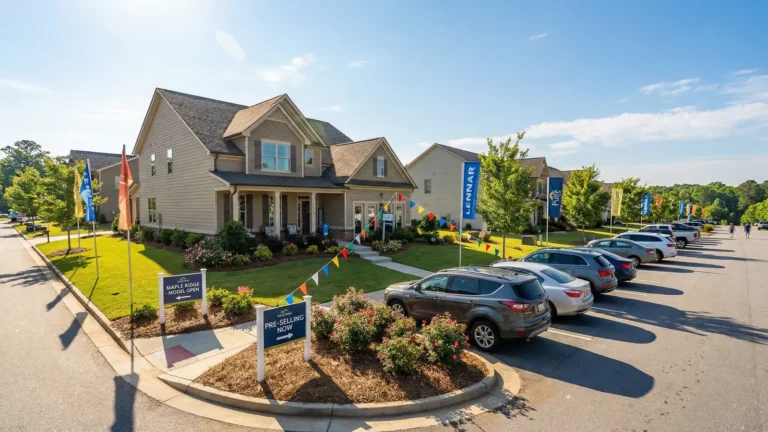
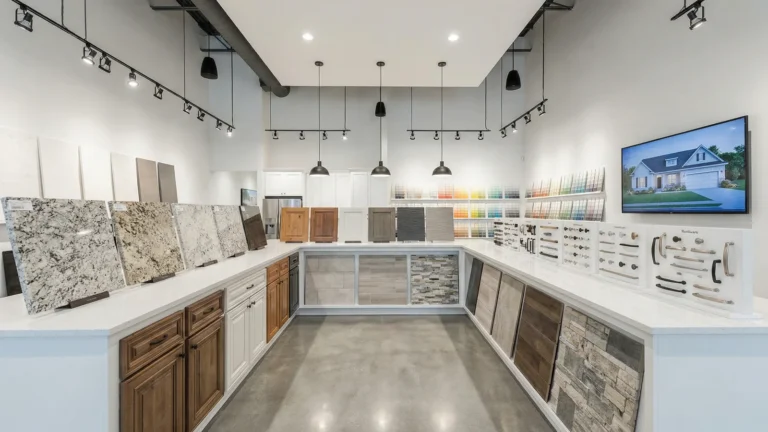
New construction red flags in Atlanta are easy to miss when you are standing in a model home that smells like fresh paint and has a $40,000 designer kitchen you did not realize was all upgrades. Builders spend serious money on those models. The flooring, the countertops, the lighting fixtures, the landscaping out front: all of it is staged to sell a feeling. Your job is to look past the feeling and evaluate the operation behind it.
I have toured hundreds of new construction communities across metro Atlanta. From my years as a Division Sales Manager at John Wieland Homes, I know what a well-run construction site looks like. I also know what corner-cutting looks like before the drywall goes up. Every one of the red flags below is something I have seen firsthand, and in several cases, I have walked buyers away from communities where the signs pointed to problems that would not surface until after closing.
Before you tour, bring a notebook, your phone camera, and a copy of the community’s published base pricing if it is available online. Wear shoes you can get dirty. Plan to look at more than the model. Walk the active construction area. Look at homes in framing, homes being sided, and homes near completion. The model tells you what the builder wants you to see. The job site tells you how the builder actually builds.
What you need before you start
Touring a new construction community is not the same as walking through a resale listing. You are evaluating a builder’s operation, not just a single property. Bring a printed or saved copy of the base floor plan pricing so you can compare it against the model. Bring your phone for photos of the construction site, lot maps, and any spec sheets the sales agent provides. If you are working with a buyer’s agent, have them schedule the visit so your representation is documented from the first interaction.
Set your expectations before you arrive. The model home exists to sell. The sales agent works for the builder. Your goal is to gather information, not to fall in love with tile selections.
The 10 warning signs, and what each one tells you
The model home is loaded with upgrades the base price does not include
This is the most common trap in new construction sales across Atlanta. You walk into a model with quartz countertops, upgraded LVP flooring, a gourmet kitchen with a gas range and pot filler, and custom built-in shelving. The base price on the sign out front is $485,000. By the time you price those upgrades, the actual cost is $545,000 or higher. Some builders in north Fulton and Forsyth County run upgrade packages that add 10% to 15% onto the base price. Ask for the model’s option list with pricing before you sit down to discuss anything else.
The sales agent cannot provide a written spec sheet for the base home
Every reputable builder has a standard features list that details what is included at the base price: flooring type, countertop material, cabinet grade, appliance brand, HVAC system specs, insulation R-values. If the sales agent cannot hand you this document or says they will “email it later,” that is a red flag. You cannot evaluate value without knowing what you are actually buying. The biggest new home builders in Atlanta publish their standard specs online or in printed brochures at the sales center. Smaller builders should have the same documentation ready.
No third-party inspections allowed or “discouraged”
Georgia law does not require builders to allow buyer inspections during construction, but most reputable builders welcome them. If a sales agent tells you the builder “does not allow” third-party inspections, or discourages them by saying the city inspector already checks everything, pay attention. City inspections verify code compliance at a minimum standard. A pre-drywall inspection by your own inspector evaluates construction quality, which is a different standard entirely. Builders who resist inspections are telling you something about what those inspections might find.
The lot backs to a future phase, commercial zoning, or a power easement
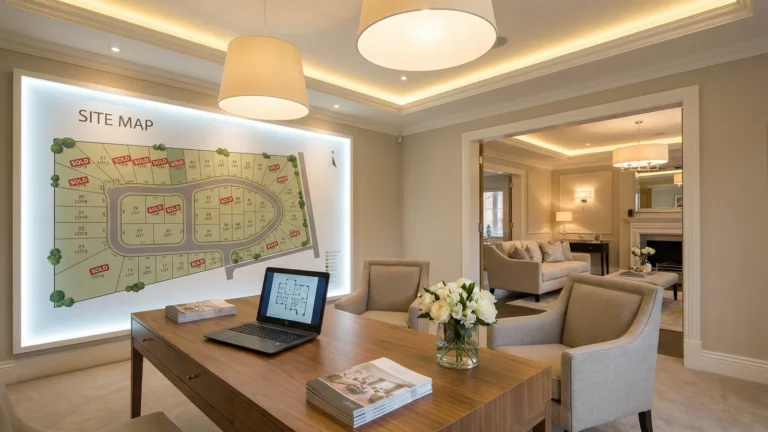
Ask for the full community site plan, not just the phase you are looking at. That wooded buffer behind lot 47 might be the next phase of 60 townhomes. That open field across the street might be zoned commercial, with a gas station or strip center planned. Power easements restrict what you can build, plant, or fence within the easement boundary. Pull up the county’s zoning map on your phone while you are standing on the lot. In Cherokee, Forsyth, and Gwinnett counties, the online GIS tools show zoning overlays and easement data in real time.
The builder has unresolved BBB complaints or Georgia licensing issues
Before you sign anything, search the builder’s name on the Georgia Secretary of State’s website to confirm their contractor registration. Check the BBB for complaint patterns, not just a letter grade. A single complaint from three years ago is different from six unresolved complaints in the past 12 months about warranty work or closing delays. Learning how to research a builder in Georgia takes 20 minutes and can save you from a two-year headache.
Construction debris and poor site cleanliness on active builds
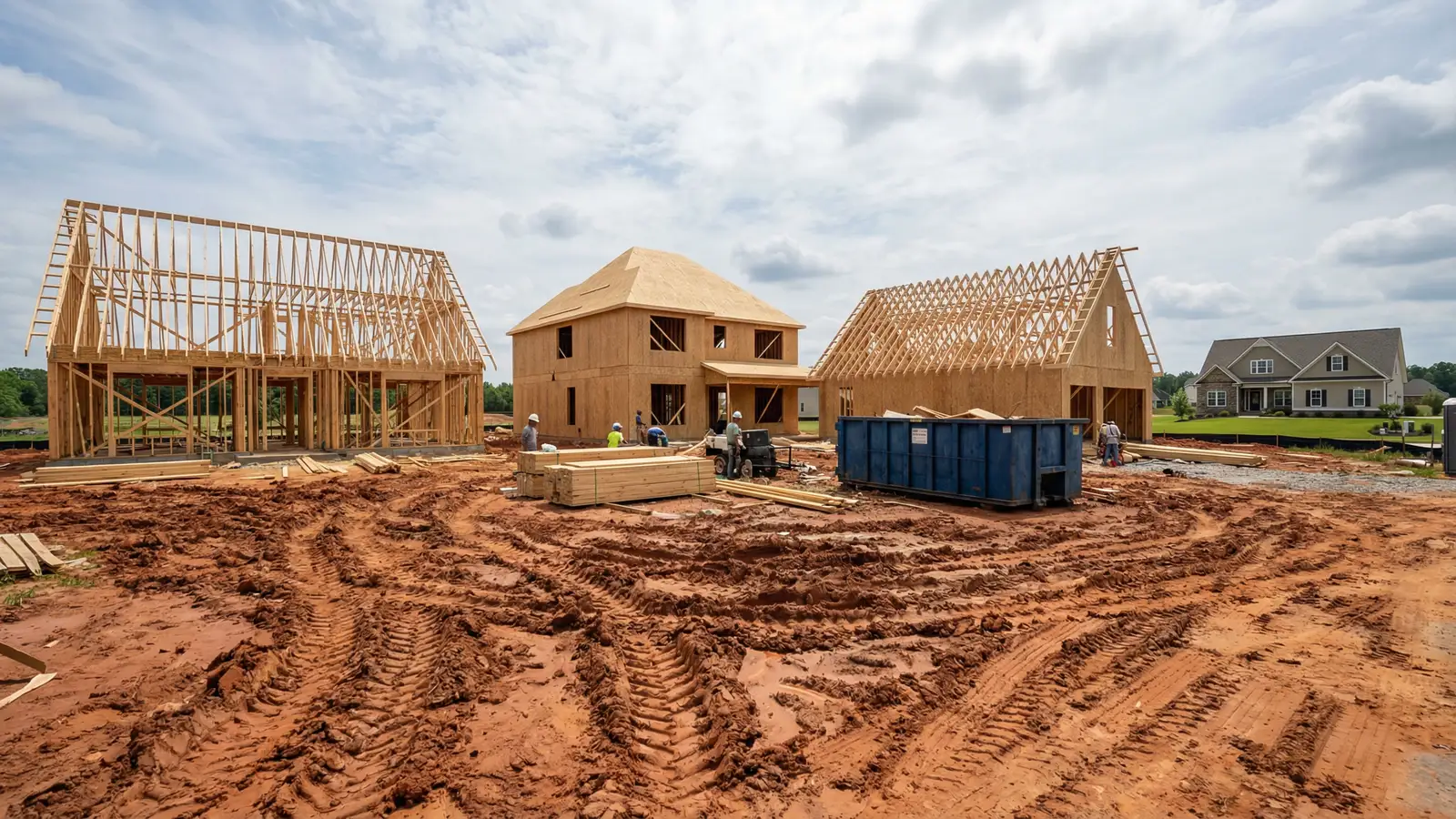
Walk the active construction area. Look at how the builder manages the job site. Scrap lumber piled randomly, loose nails on the ground, open food containers inside framed homes, port-a-johns overflowing: these are signs of poor site management. Builders who run clean, organized job sites tend to build better homes. The correlation is not accidental. Site discipline reflects management discipline. When I managed new construction communities, we inspected job sites weekly for exactly this reason.
Homes under construction show inconsistent quality
Look at the framing on homes being built. Are the studs straight and evenly spaced? Are the window headers level? Is the sheathing (the plywood or OSB panels on the exterior) tight against the framing with no visible gaps? Walk around three or four homes in different stages. If one looks clean and the next looks sloppy, the builder is using multiple framing crews with inconsistent standards. That inconsistency will follow you into drywall, trim, and finish work.
The sales agent pressures you to use the builder’s preferred lender
Builders often have lending partnerships or in-house mortgage companies. They may offer closing cost credits or incentives for using their lender. That is standard practice and sometimes a good deal. What is not standard is pressure. If the sales agent implies you will lose the home, miss the incentive window, or face delays unless you use their lender, that pressure signals the builder values the lender kickback more than your financing flexibility. Get quotes from two outside lenders before committing. Compare APR, not just the interest rate.
The contract has a unilateral price escalation clause
Read the purchase agreement before you sign it. Some builder contracts in Georgia include clauses that allow the builder to increase the price after contract execution due to “material cost increases” or “market conditions.” These clauses are legal, but they transfer financial risk entirely to the buyer. You could sign a contract at $510,000 and close at $528,000 with no recourse. Ask for the escalation clause to be removed or capped. If the builder refuses to modify it, factor that risk into your decision.
The builder will not provide a firm closing date or timeline commitment
A builder who says “approximately 8 to 10 months” is giving you a reasonable estimate. A builder who says “we will let you know” or refuses to put a projected completion date in the contract is a different situation. Rate locks expire. Leases end. Closing delays cost real money in extended rate locks ($500 to $2,000 or more), temporary housing, storage fees, and the stress of planning around a date that does not exist. Reputable builders commit to a projected closing month and include delay provisions in the contract.
A recommendation from the builder side
Here is something most online guides will not tell you, because most agents have never sat on the builder’s side of the sales desk. I spent years managing sales offices for production builders. The communities that ran well had one thing in common: the builder treated the buyer as a partner in the process, not as a transaction to close. That meant proactive communication about timelines, honest answers about what was included, and willingness to put commitments in writing.


When a builder operates that way, you feel it the moment you walk in. The spec sheets are printed and waiting. The site plan is posted on the wall with zoning clearly marked. The superintendent’s number is offered without you having to ask. The absence of those things is itself a signal. Trust what you observe, not what you are told.
Download the new construction tour checklist
New Construction Tour Checklist (2-page printable PDF). Covers every question to ask the sales agent, what to inspect on the job site, and the 10 red flags outlined in this article. Bring it on your next new construction tour so nothing gets missed.
Name and email to download.
Where to go from here
This article is part of the Atlanta home builders guide, which covers the full process of evaluating, selecting, and working with builders across metro Atlanta. For a deeper look at vetting builders before you commit, read how to research a builder in Georgia. And if you want an experienced set of eyes at the construction site with you, read about what a pre-drywall inspection covers and why it matters.
Schedule a builder consultation with Velocity before signing any new construction contract.
—
Written by Itanza Johnson, Managing Broker at Velocity Real Estate. Georgia Tech industrial engineering graduate. Former Division Sales Manager at John Wieland Homes and VP of Sales and Marketing at Stonecrest Homes. $600M+ in cumulative residential sales across metro Atlanta.
Thinking about buying or selling in metro Atlanta?
Velocity Real Estate has closed more than $600M in new construction and resale across 19 metro Atlanta neighborhoods. Start with a conversation, not a commitment.
Book a consultationCall 678-278-9798