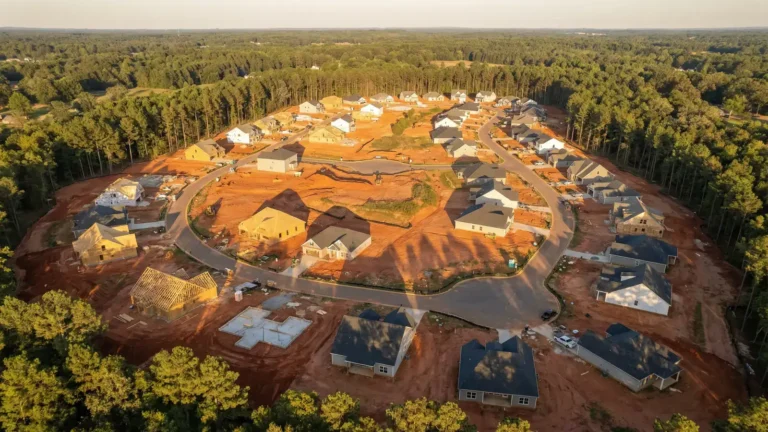
Pre-drywall inspection in Atlanta
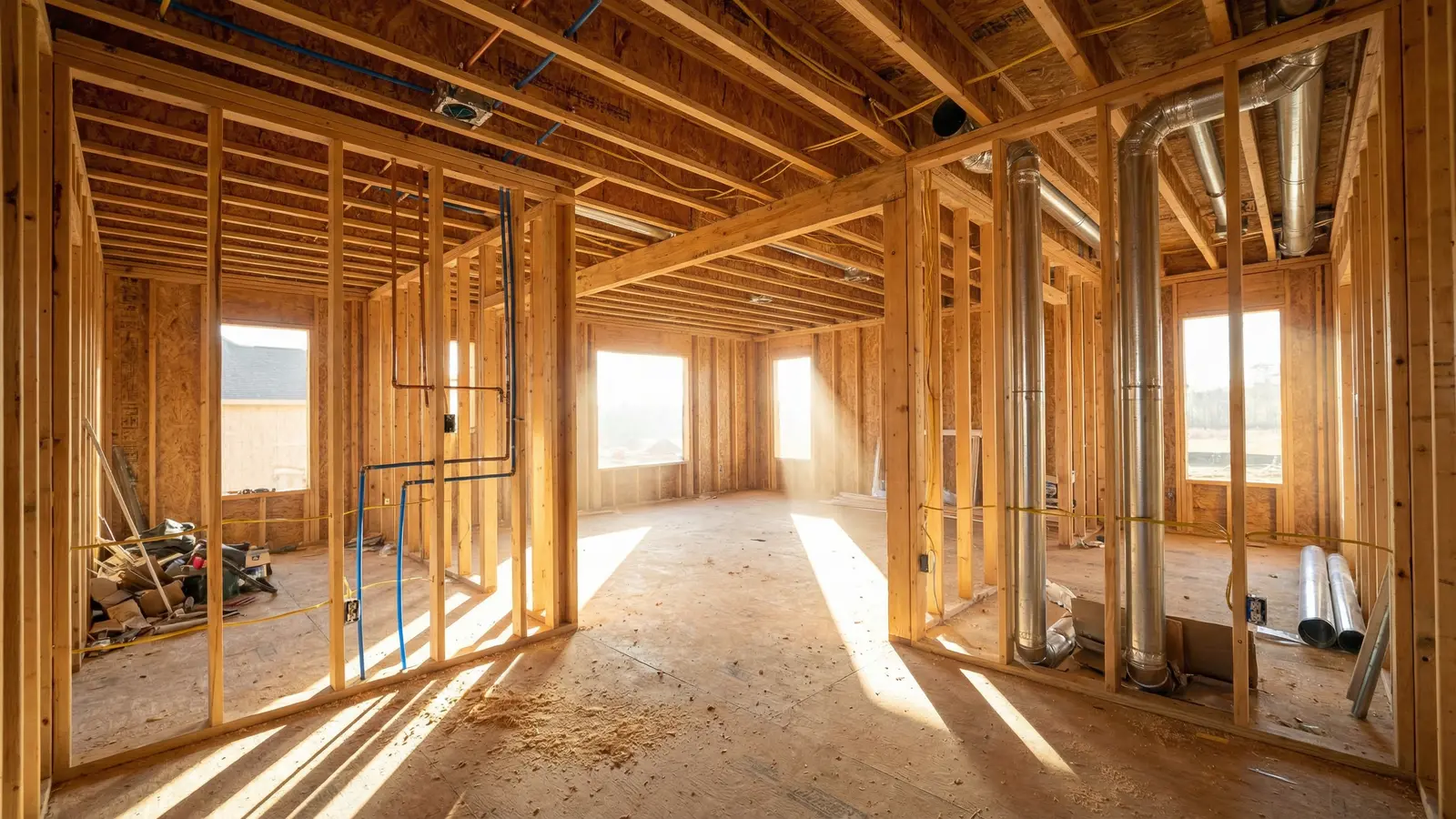
Pre-drywall inspection in Atlanta
A pre-drywall inspection in Atlanta is the one inspection that can save you from living with someone else’s construction mistakes for the next 30 years. Once drywall goes up, the framing, plumbing, electrical wiring, HVAC ductwork, and fireblocking behind it become invisible. If a framing member is notched too deep or the HVAC return is routed through an unconditioned chase, you will never see it. Not during the final walkthrough. Not at closing. You will feel it in energy bills, in cracks that appear six months after move-in, and in repair invoices that your new home warranties in Georgia may not fully cover.
What you need before you start
Your purchase contract needs to be signed and the build needs to be far enough along that framing, rough plumbing, rough electrical, and HVAC rough-in are complete but drywall has not been hung. Most builders in metro Atlanta reach this stage 8 to 14 weeks into the build. You need three things ready before the inspection date:
A licensed home inspector who specializes in new construction (not all inspectors do). Your builder’s superintendent’s direct phone number, because scheduling happens through the super, not through the sales office. And a copy of your floor plan with any structural options you selected, so the inspector can verify the framing matches what you contracted.
What a pre-drywall inspection covers in new construction
Framing, plumbing, electrical, and HVAC checks
The inspector walks every room while the walls are still open. Framing gets checked for proper stud spacing (16 inches on center is standard in Georgia residential), correct header sizes above windows and doors, and structural connections at load-bearing points. Plumbing lines are checked for proper slope on drain runs, correct pipe sizing, and secure connections. Electrical rough-in gets reviewed for proper wire gauge on each circuit, correct box placement, and GFCI locations in kitchens and bathrooms (Georgia code requires them within 6 feet of any water source). HVAC ductwork is checked for sealed connections, proper sizing relative to system tonnage, and routing that avoids sharp bends restricting airflow.
What inspectors find that gets hidden behind drywall
I have attended hundreds of pre-drywall inspections across communities in Alpharetta, Roswell, Milton, Johns Creek, and south Forsyth County. The issues that come up most often are not dramatic structural failures. They are small, quiet problems that compound over years.
Missing fireblocking between floors is one I see regularly. Georgia code requires fireblocking at every floor transition to slow flame spread between wall cavities. Inspectors catch this roughly one out of every four inspections I attend.
Improperly notched studs are another common finding. Plumbers and electricians cut through framing members to route their lines. Code limits how deep those cuts can go (no more than 25% of a stud’s depth for notches, no more than 40% for holes). When crews exceed those limits, the stud loses structural integrity. I have also seen HVAC returns connected to open stud bays with no sheet metal duct, pulling unconditioned attic air and insulation particles into the air handler for the life of the home.
How to schedule a pre-drywall inspection in Atlanta
Cost ($300 to $500) and timing in the build process
A pre-drywall inspection in the Atlanta metro typically runs $350 to $475. The inspection takes 90 minutes to two hours. You receive a written report with photos within 24 to 48 hours.
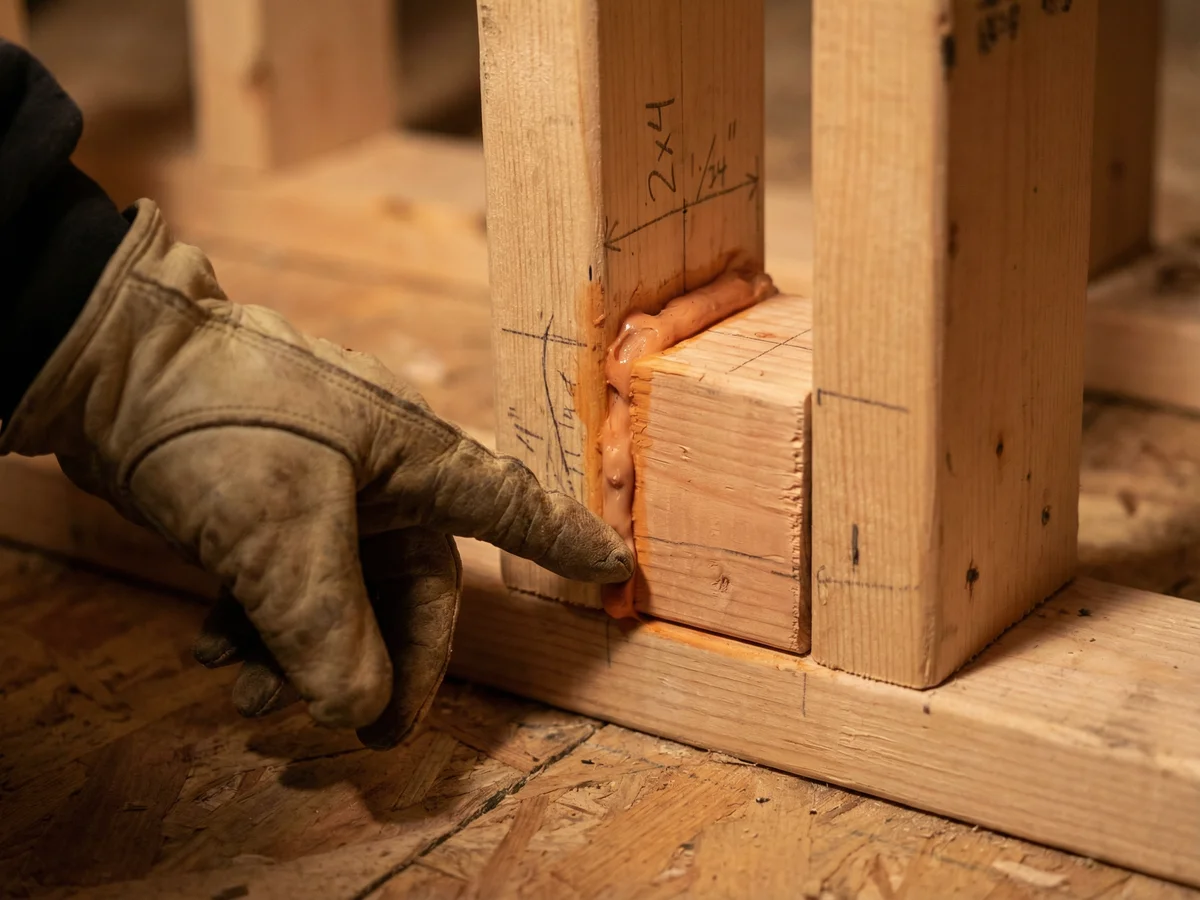
The window between rough-in completion and drywall installation is narrow, typically two to five days. Builders do not wait. Once rough-in passes the municipal inspection, the drywall crew gets scheduled. Talk to your superintendent the moment framing starts and ask for a projected rough-in completion date. Then book your inspector for the day after the municipal rough-in inspection passes.
Working with a buyer’s agent for new construction who knows the builder’s construction schedule makes this coordination significantly easier.
What to do if the builder resists an inspection
Some builders push back. They will say the city inspector already checked everything or that scheduling a third-party inspector will slow down the timeline. Your contract almost certainly gives you the right to conduct inspections at your own expense. In Georgia, builders cannot refuse access during reasonable business hours without violating the purchase agreement.
If a builder tells you an independent pre-drywall inspection is unnecessary, that is the builder you most need to inspect.
The production builders who build 200 or more homes a year in metro Atlanta (Toll Brothers, Pulte, Meritage, Ashton Woods) generally have a process for third-party inspections. It is the smaller builders running 15 to 30 homes a year who sometimes treat the request as an insult. Stand firm. The $400 you spend on this inspection is protecting a $400,000 to $700,000 purchase.
What to do if the inspector finds issues
The inspector’s report goes to you, not to the builder. You or your agent present the findings to the superintendent and request corrections before drywall goes up. Most issues are straightforward fixes: adding missing fireblocking, installing nail plates, reattaching a disconnected duct joint, replacing a notched stud.
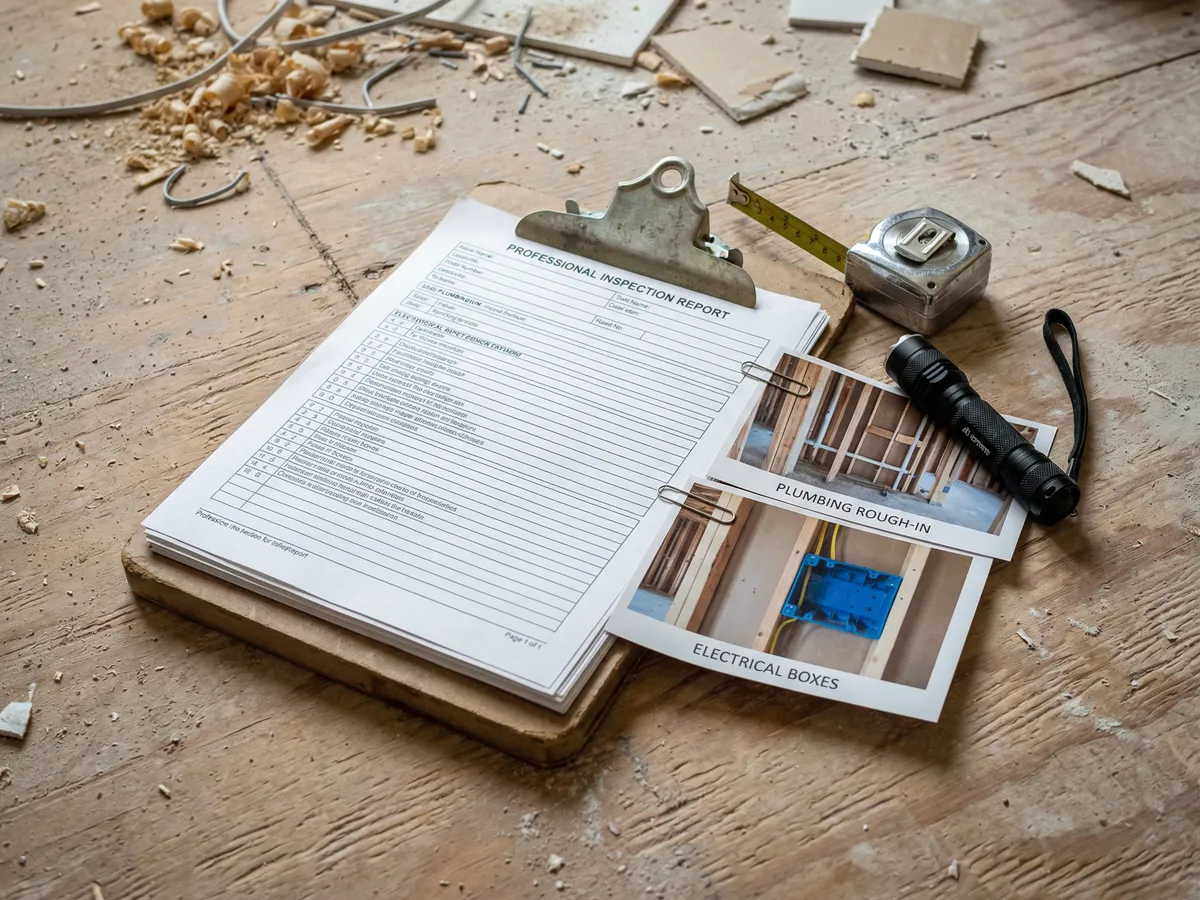
Get written confirmation from the builder that each item has been addressed. Have your inspector do a quick re-check if the findings were significant. That re-check typically costs $75 to $125 and takes 30 minutes.
Why most new construction buyers in Atlanta skip this (and shouldn’t)
Would you buy a car without looking under the hood? An estimated 85% of new construction buyers in Georgia do not get a pre-drywall inspection. They assume the city building inspector caught everything. Municipal inspectors in Fulton, Gwinnett, Forsyth, and Cherokee counties are reviewing dozens of homes per day. They check for code compliance at a systems level. They are not spending 90 minutes in your specific home comparing the framing to your contracted floor plan.
The pre-drywall inspection costs less than a standard home inspection, catches problems that are invisible after drywall, and gives you documented evidence if warranty issues arise later. If you are evaluating where to put your money during the build process, read about which builder upgrades worth the money actually pay off at resale.
Market pro tip
I tell every buyer I work with the same thing: hire an inspector who has experience with the specific builder constructing your home. Inspectors who have reviewed 50 Pulte homes know exactly where Pulte’s framing crews cut corners on a Tuesday when they are behind schedule. An inspector who primarily works resale homes will catch code violations, but they will miss the builder-specific patterns that a specialist recognizes in the first five minutes.
Ask your inspector how many new construction pre-drywall inspections they have completed in the past 12 months. If the answer is fewer than 20, keep looking.
—
Download: Pre-drywall inspection checklist
A printable 2-page checklist covering every item your inspector should verify before drywall goes up: framing, plumbing, electrical, HVAC, fireblocking, insulation, and structural connections. Bring it to the inspection or use it to review the inspector’s report against a complete list.
Enter your name and email to download the checklist.
[Download the pre-drywall inspection checklist]
—
Related reading
For the full picture of buying new construction in metro Atlanta, read the complete guide to buying new construction in Atlanta. If you are still deciding whether to hire representation for a new build purchase, read about why you need a buyer’s agent for new construction.
Schedule a new construction consultation with Velocity at velocity-re.com/contact or call 678-278-9798.
—
Written by Itanza Johnson, Managing Broker at Velocity Real Estate. Georgia Tech industrial engineering graduate. Former Division Sales Manager at John Wieland Homes and VP of Sales and Marketing at Stonecrest Homes. $600M+ in cumulative residential sales across metro Atlanta.
Thinking about buying or selling in metro Atlanta?
Velocity Real Estate has closed more than $600M in new construction and resale across 19 metro Atlanta neighborhoods. Start with a conversation, not a commitment.
Book a consultationCall 678-278-9798